
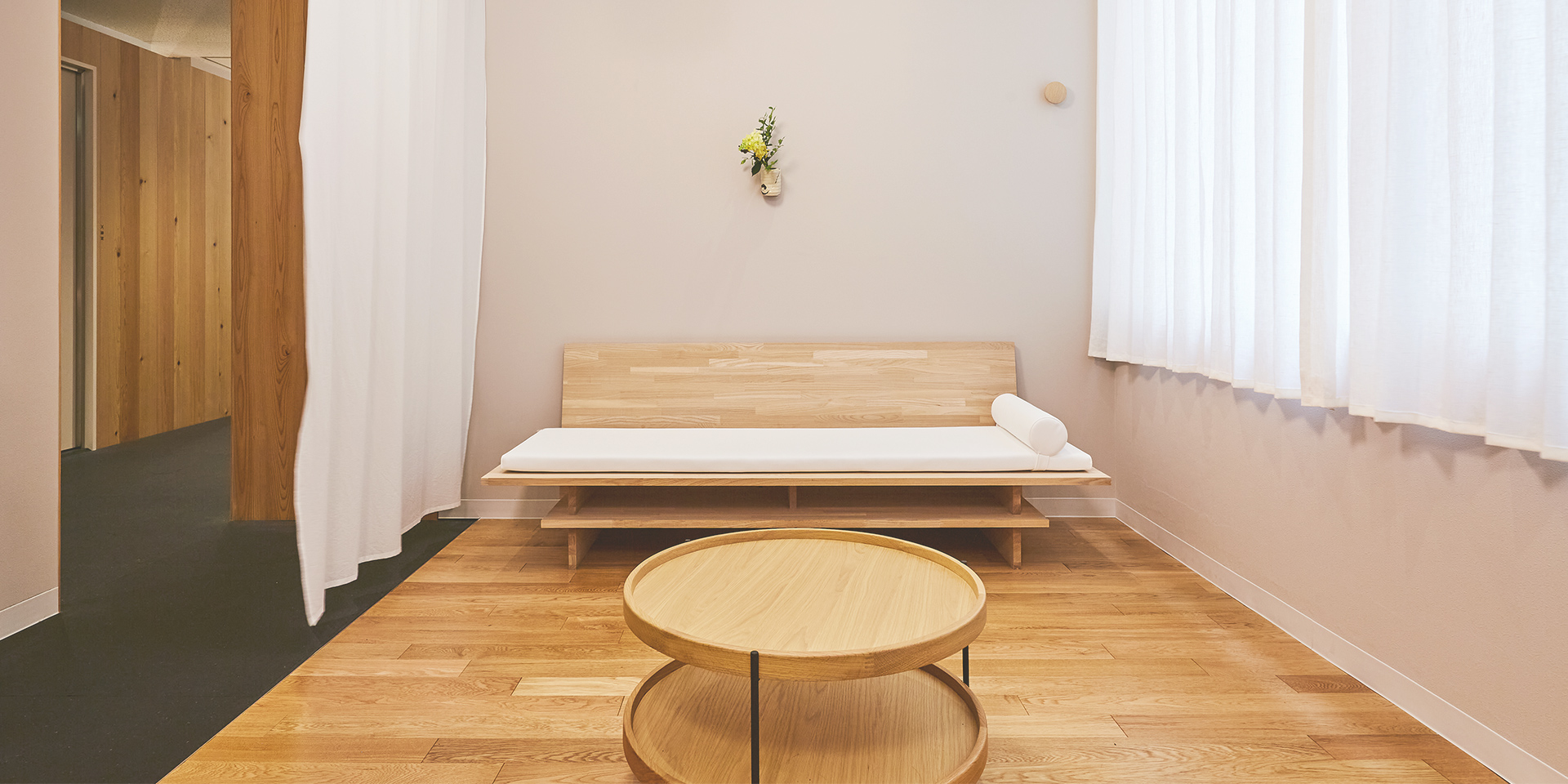
CLINIC TEN SHIBUYA is an English-speaking clinic in Shibuya offering consultations with an English-speaking doctor for travelers in Japan. We provide care for internal medicine, dermatology, urology, STI concerns, fever, stomach issues, urinary symptoms, skin rashes, and hangover-related symptoms.
About us
CLINIC TEN SHIBUYA is an English-speaking clinic in Shibuya, Tokyo, offering same-day medical consultations with an English-speaking doctor for travelers and foreign visitors in Japan.
We provide care for common health concerns, including fever, cold symptoms, sore throat, cough, stomach pain, diarrhea, nausea, urinary symptoms, STI concerns, skin rashes, insect bites, itching, and hangover-related symptoms.
Also, same-day appointments may be available depending on the schedule. Walk-ins may be accepted depending on availability; however, we recommend contacting us before visiting.
If needed, we can provide English medical certificates and receipts for travel insurance claims.
Please note that this service is not available to those with a valid Japanese health insurance card. Patients with Japanese health insurance are kindly requested to book a regular appointment . (click here)
| Language | English only |
| Medical Hours | We are open Monday to Sunday, 9:15-17:30 (except 13:00-14:00). |
| Payments | ・Credit cards: Visa, Mastercard, Amex, JCB, Diners Club, and Discover ・E-money: QUICPay, iD, and transportation IC cards (such as SUICA, and ICOCA) ・QR code: Alipay+, WeChat Pay ※ We do not accept cash. |
| Location | Nichiei Building 2F, 2-20-12, Shibuya ,Shibuya-ku Tokyo |
Booking Request
Price (Private medical care)
At the Clinic
Our private medical services are charged on a fee-for-service basis. The final cost depends on the examinations and procedures the doctor judges necessary during your consultation.
Basic fee
| Consultation fee | ¥33,000 |
Options (charged only when performed)
| Prescription issuance fee (excluding drug costs) | ¥11,000 |
| Medical certificate | ¥16,500 |
| COVID-19 & Influenza antigen rapid test | ¥11,000 |
| General culture exam | ¥5,500 |
| Urine PCR Test (Gonorrhea/Chlamydia) | ¥5,500 |
| Urine PCR Test (Mycoplasma genitalium/Trichomonas) | ¥5,500 |
| Throat PCR Test (Gonorrhea/Chlamydia) | ¥5,500 |
| X-ray examination | ¥11,000 |
| General blood examination | ¥11,000 |
| Antibiotic infusion (Ceftriaxone) | ¥5,500 |
| Intravenous fluid therapy | ¥5,500 |
| Ultrasonography | ¥16,500 |
| Tetanus toxoid vaccine | ¥5,500 |
| Influenza Vaccine (seasonal) | ¥7,500 |
| Electrocardiography | ¥11,000 |
Dental
Basic fee
| Base Consultation (30 min) | ¥33,000 |
| Base Consultation (60 min) | ¥55,000 |
Options (charged only when performed)
| Tooth Extraction | ¥55,000 |
| Root Canal Treatment | ¥55,000 |
| Preparation of a Referral Letter | ¥11,000 |
Travel insurance
Most travelers are reimbursed by their travel insurance. We issue English receipts and medical certificates so you can claim smoothly.
※Please note:
– All prices are shown in Japanese yen and include tax.
– Medications are charged separately at the pharmacy.
– For cancellations made up to three hours before the scheduled appointment time, a fee of 50% will be applied.
– For cancellations made less than three hours before the scheduled appointment time, a fee of 100% will be applied.
– If you arrive late for your appointment, we may be unable to proceed with the consultation. In such cases, a fee of 100% will be applied.
Same-Day English-Speaking Doctor in Shibuya
Need to see a doctor today?
CLINIC TEN SHIBUYA offers same-day consultations with an English-speaking doctor for travelers in Japan. Walk-ins may be accepted depending on availability, but we recommend contacting us before visiting.
Reservation
Please submit your appointment request using the form below.
You are also welcome to visit the clinic directly. However, immediate consultation may not be available depending on the reservation schedule at the time of your visit. In such cases, we will be happy to guide you to the earliest available appointment time.
- 1Appointment
- 2Your details
Thank you
Your request has been received.
We will contact you shortly to confirm your appointment.
Director
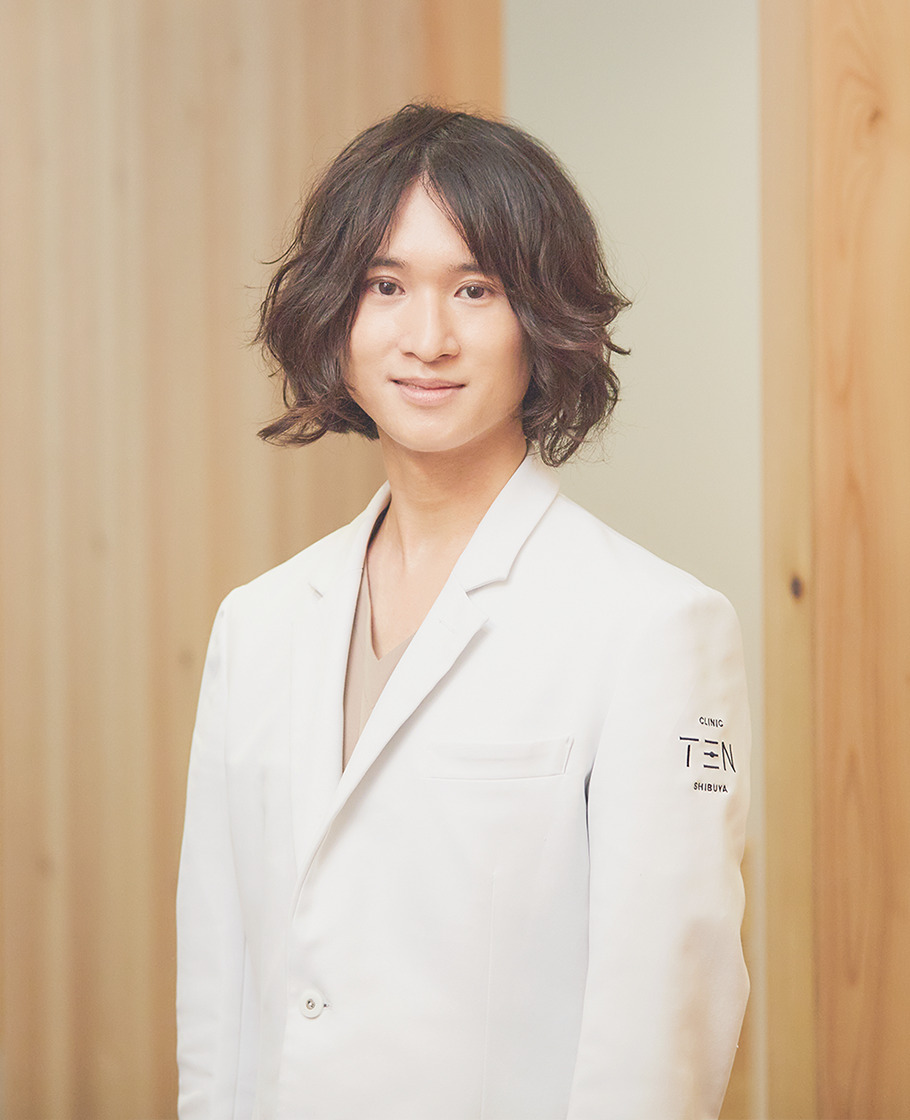
NORIAKI L. SANTO
NORIAKI L. SANTO
Dr. Santo graduated from the School of Medicine, University of Tsukuba, where he received the President’s Award and participated in a government-sponsored study program in the United States.
He began his career in the Department of Urology at the National Hospital Organization Tokyo Medical Center, later serving as Assistant Professor in the Department of Urologic Oncology at Saitama Medical University International Medical Center, and completing the Harvard University ICRT Program Japan.
He is currently a Research Fellow at the Clinical Research Center of Tokyo Medical Center.
Qualifications:
– Board-certified in urology
– da Vinci Console Surgeon
– Alumnus, Harvard University
– Alumnus, Massachusetts Institute of Technology Bootcamp
Professional Affiliations:
– Japanese Urological Association
– Japanese Society for Infectious Diseases
– Infectious Diseases Society of America
Inquiry
If you have any questions, please contact us by email at ” support@clinicten.jp” .
Alternatively, you can contact us via WhatsApp to inquire about your reservation.
Please note that it may take some time for us to respond to your inquiry.